 Orbital Focus
Brain Quiz: 5 Focus Science Questions, With Answers and What to Do Next
Five questions about how your brain handles attention, each answer traced to the original study, and each one turned into a small change you can make to your next work block.
 By Chris HabibUpdated 8 min read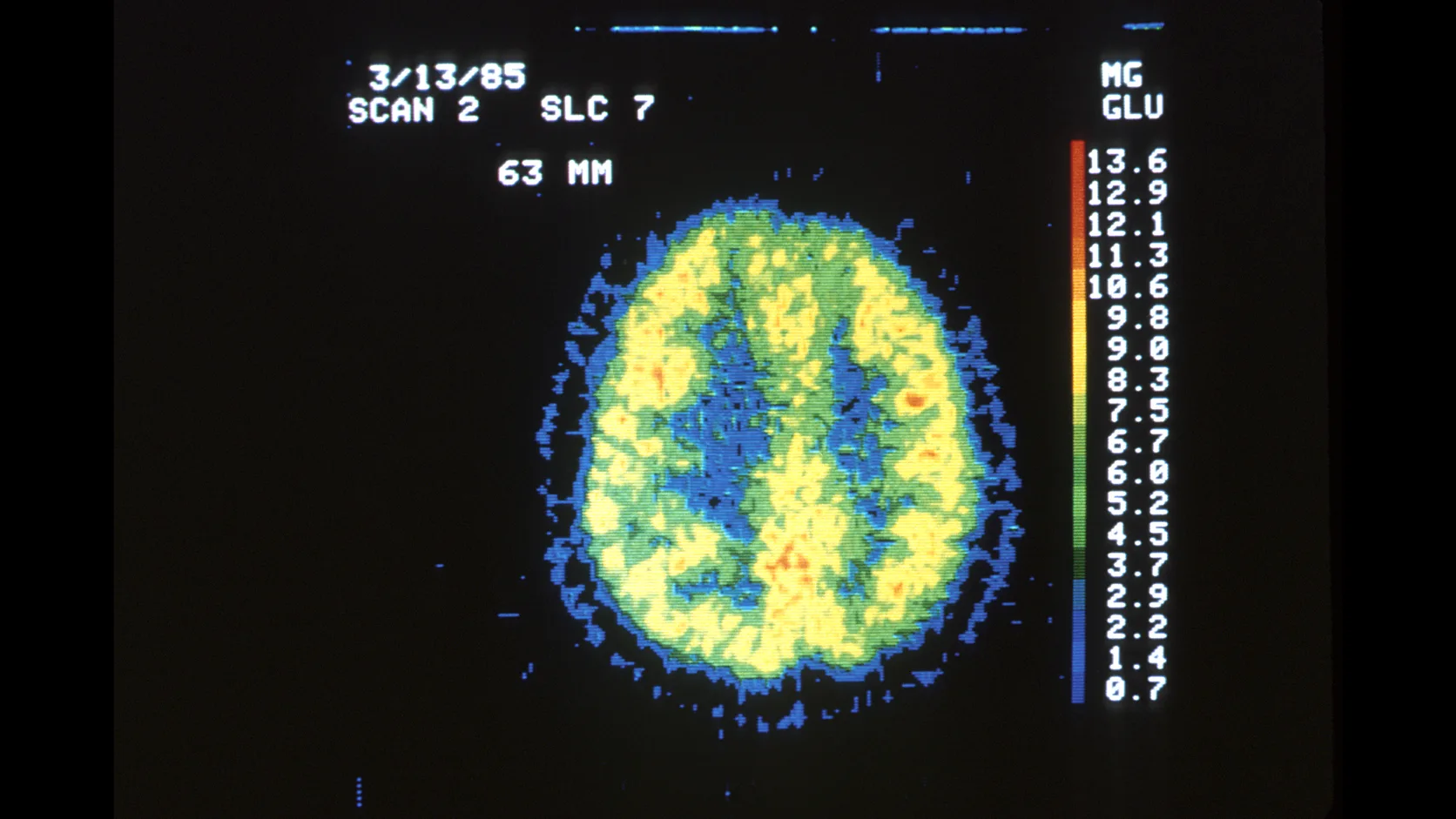
The bottom line
Answer key: 25 minutes, about 20 percent, 47 percent, about 4 chunks, and 1 in 40. The useful part is what each answer suggests: start with one timed block, expect your mind to wander, keep only a few things in your head, and do one demanding task at a time.
Here is the short answer key before you start: a classic Pomodoro focus session is 25 minutes, your brain uses about 20 percent of your body's energy, minds wandered in 47 percent of samples in one large study, working memory holds about 4 chunks, and only 1 in 40 drivers in a simulator study handled a hard phone task with no drop in performance.
If you would rather test yourself first, skip the paragraph above and take the five questions below. There is also a 90-second video version of this quiz on the Orbital Focus Instagram and TikTok accounts.
Every answer comes from a primary source, and each one ends with a small change you can try in your next block of work.
About this quiz
Red Honey publishes this guide and makes Orbital Focus and the linked browser tools. The quiz tests what you know about focus research. It does not measure your attention, and it is not a medical or ADHD assessment.
Take the quiz
Give yourself about five seconds per question, the same pace as the video. Write down a letter for each one, then open the answer.
Question 1
In the Pomodoro Technique, how long is one focus session?
- A. 10 minutes
- B. 25 minutes
- C. 45 minutes
- D. 90 minutes
Show answer 1
B. 25 minutes, then a short break. The full explanation is in the answers section below.
Question 2
Your brain is about 2 percent of your body weight. About how much of your energy does it use?
- A. 2 percent
- B. 5 percent
- C. 20 percent
- D. 50 percent
Show answer 2
C. About 20 percent of the body's oxygen and calories, roughly ten times its share of your weight.
Question 3
In one big study, how often were people's minds wandering while awake?
- A. 8 percent
- B. 19 percent
- C. 31 percent
- D. 47 percent
Show answer 3
D. 47 percent. Phones pinged 2,250 adults at random moments, and minds were wandering in 46.9 percent of the samples.
Question 4
Modern research says working memory holds about how many chunks at once?
- A. 2
- B. 4
- C. 7
- D. 12
Show answer 4
B. About 4, usually somewhere from 3 to 5. The famous 7 from 1956 was a rough estimate.
Question 5
In a simulator study, how many drivers did a hard phone task with no drop in performance?
- A. 1 in 40
- B. 1 in 10
- C. 1 in 4
- D. 1 in 2
Show answer 5
A. 1 in 40. Only 5 of 200 participants, 2.5 percent, showed no drop. The researchers called them supertaskers.
Answers, the evidence, and what to do with each one
Answer 1: 25 minutes
Francesco Cirillo created the Pomodoro Technique in the late 1980s as a university student, starting with a tomato-shaped kitchen timer. His official instructions are to wind the timer to 25 minutes and then wind it again for a 5-minute break.
The number is a convention from one method, not a measured limit of human attention. It is still a useful starting point because it gives work a visible finish line.
Try this: Run exactly one 25-minute block today on a task you have been avoiding, then take a real 5-minute break away from any feed. The 25-minute browser timer works for this. If 25 minutes keeps cutting useful work short, the Pomodoro technique guide covers 45/10, 50/10, and 90/20 alternatives.
Answer 2: about 20 percent
Marcus Raichle and Debra Gusnard put it plainly in PNAS: in the average adult, the brain is about 2 percent of body weight but accounts for about 20 percent of the oxygen, and hence calories, the body consumes.
The same paper has a detail the video did not have time for. Local changes in blood flow measured with PET during most cognitive tasks are often 5 percent or less. Most of that energy goes to the brain's ongoing activity, not to the extra effort of the task in front of you.
Try this: The paper does not explain why focusing can feel tiring, but it is a good reason to stop picturing focus as a fuel tank you drain in one hard session. When a block goes badly, change the conditions first: silence one alert, shorten the block, or pick a clearer first action. The attention span guide builds that idea into a seven-day reset.
Answer 3: 47 percent
Matthew Killingsworth and Daniel Gilbert built an iPhone app that contacted people at random moments during their waking hours and asked what they were doing and thinking. Across samples from 2,250 adults, minds were wandering 46.9 percent of the time, and in at least 30 percent of samples during every activity except one. People also reported being less happy while their minds wandered than when they did not.
That is a correlation from one study, not proof that wandering causes unhappiness. It does show that drifting is normal, not a personal defect.
Try this: Keep a parking spot for stray thoughts before you start. Write the thought down in one line and return to the task. A sheet of paper is enough; the Black Hole tool is a browser version that saves nothing you type. If you want a snapshot of how your attention behaves during a short run, try the attention span test, which is an educational exercise, not a diagnosis.
Answer 4: about 4 chunks
In 1956 George Miller summarized evidence that people can hold about seven chunks in short-term memory. In 2001, Nelson Cowan reviewed the later research and wrote that Miller's seven "was meant more as a rough estimate and a rhetorical device than as a real capacity limit." Cowan's review points to a central limit averaging about four chunks. His 2010 follow-up describes working memory in young adults as limited to 3 to 5 meaningful items.
Miller was not simply wrong. Seven was a rough summary, and later work narrowed it.
Try this: Hold no more than three or four things in your head during a block. Before you start, write down the one result you want, the first action, and anything you must not forget. Cowan also describes chunking, grouping items into one meaningful unit, as a way to make better use of the same limited space. The brain dump guide is a fuller system for getting the rest out of your head.
Answer 5: 1 in 40
Jason Watson and David Strayer tested 200 people in a high-fidelity driving simulator. The hard task was a demanding spoken memory-and-math test done over a hands-free phone headset. The vast majority got worse at driving, the phone task, or both. Only 2.5 percent, 5 of 200, showed no performance drop. The researchers called them supertaskers.
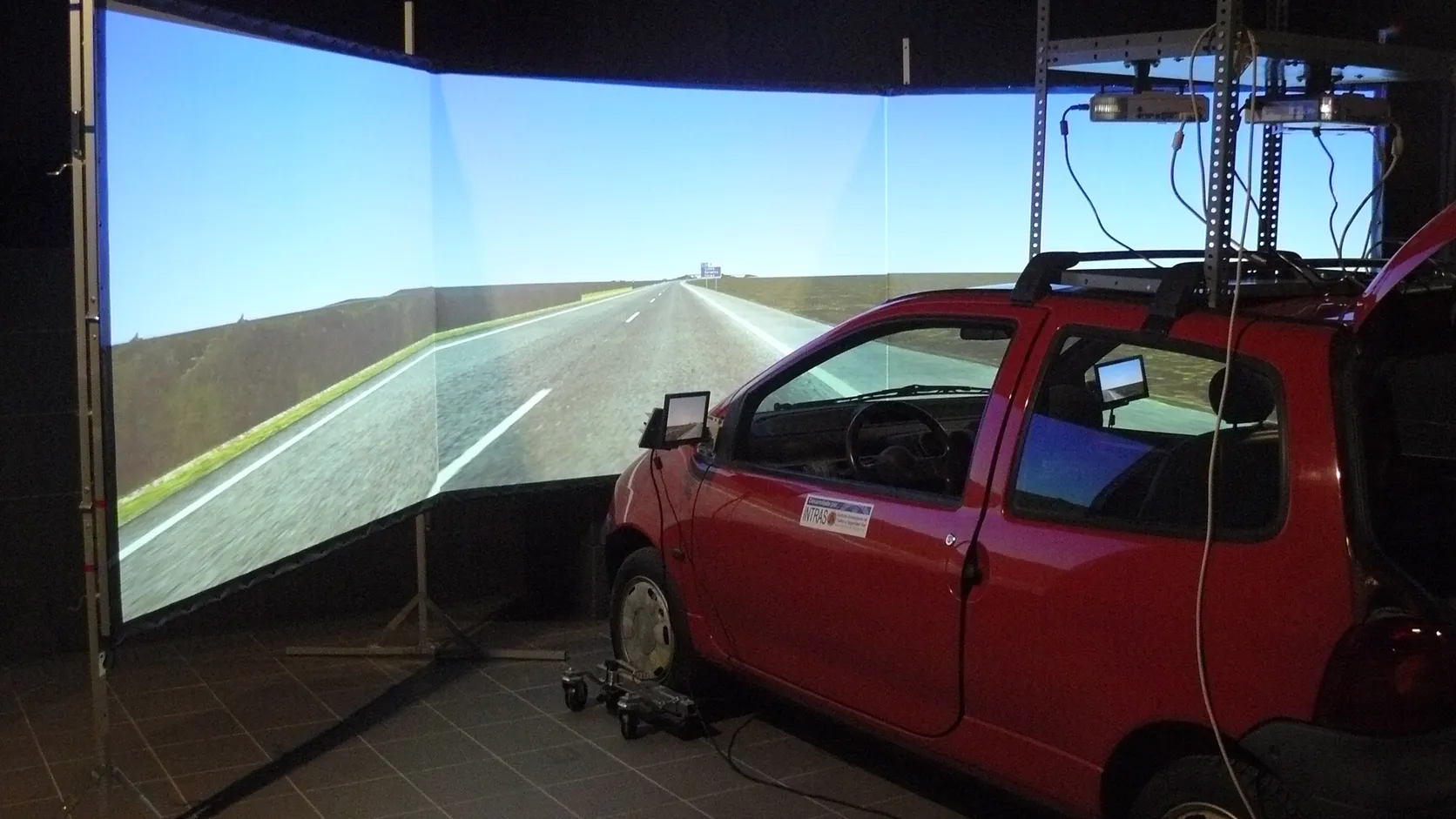
This was one simulator study with a lab task. It cannot tell you if you are a supertasker, and a real road is no place to find out.
Try this: Assume you are one of the other 39. Put the phone out of reach while driving. At a desk, pair a demanding task with nothing else that also needs thought: close the chat window during writing, and save calls for when you are not doing detailed work.
What your score means
This is a knowledge quiz, so the score says what you have read, not how well you focus.
| Score | What it suggests | Where to go next |
|---|---|---|
| 5 of 5 | You know the research behind common focus advice | Pick the takeaway you use least and try it this week |
| 3 or 4 | You know the basics and hit one or two popular traps | Reread the answers you missed; question 4 catches many people |
| 0 to 2 | Most focus facts you have heard were simplified | Start with the five-answer card below and one 25-minute block |
Question 4 is the usual trap because the number seven has been repeated for decades. Question 2 is the other one: 2 percent looks right if you assume energy follows weight.
The five-answer focus card
Copy this onto an index card or into a note. Each line comes from one answer.
| From answer | Before the block | During the block |
|---|---|---|
| 1. 25 minutes | Set one timed block with a named result | Stop for a real break when it ends |
| 2. About 20 percent | Change one condition, not your willpower | Treat a bad block as data, not proof you are out of fuel |
| 3. 47 percent | Open a parking list | Write the stray thought down and return |
| 4. About 4 chunks | Write the result, first action, and one reminder | Keep no more than three or four items in your head |
| 5. 1 in 40 | Close the second demanding task | Do one thing that needs thought at a time |
Orbital Focus applies the first line automatically if you want an app for it. With coast phases on, which is the default, a mission at least twice as long as your chosen burn length is split into focus burns with coast-phase breaks between them, 25 and 5 minutes by default, and you can change both lengths in Settings. Try a mission in Orbital Focus or stay with the free browser timer. Either works for the card above.
Frequently asked questions
Is working memory limited to seven items?
Not quite. George Miller's famous 1956 paper summarized evidence for about seven chunks, but Nelson Cowan later argued that the seven was more a rough estimate and a rhetorical device than a precise limit. Cowan's review of later studies points to a central limit averaging about four chunks, or three to five meaningful items in young adults.
Does concentrating hard use a lot more brain energy?
Less than most people assume. Raichle and Gusnard describe the brain as using about 20 percent of the body's oxygen and calories, and note that local changes in blood flow measured with PET during most cognitive tasks are often 5 percent or less. Most of the brain's energy goes to ongoing activity, not to the extra effort of one task.
Can some people safely talk on the phone while driving?
In Watson and Strayer's simulator study, 5 of 200 people showed no measurable drop when driving while doing a demanding hands-free phone task. The vast majority got worse at driving, the phone task, or both. The study cannot tell you which group you belong to, so the safe assumption is that you are one of the other 39 in 40.
Sources
All sources were checked on September 24, 2026. Quotes and figures in the answers come from these pages.
- Francesco Cirillo: The Pomodoro Technique book page, for the late-1980s origin and the tomato-shaped kitchen timer, and the Pomodoro Classic Timer page, for the 25-minute session and 5-minute break. Pomodoro is a registered trademark of Francesco Cirillo; this guide is independent of his company.
- Raichle and Gusnard (2002), Appraising the brain's energy budget, PNAS, for the 2 percent of body weight, about 20 percent of oxygen and calories, and task-related changes of often 5 percent or less.
- Killingsworth and Gilbert (2010), A wandering mind is an unhappy mind, Science, for the 2,250 adults, 46.9 percent of samples, and the happiness finding. An author copy is hosted by UC Berkeley's Greater Good Science Center.
- Cowan (2001), The magical number 4 in short-term memory, Behavioral and Brain Sciences, for Miller's seven as a rough estimate and the central limit of about four chunks.
- Cowan (2010), The Magical Mystery Four, Current Directions in Psychological Science, for the 3 to 5 meaningful items in young adults and the chunking example.
- Watson and Strayer (2010), Supertaskers: Profiles in extraordinary multitasking ability, Psychonomic Bulletin and Review, for the 200 participants, the hands-free operation span task, and the 2.5 percent with no performance decrements.
- Miller (1956), The magical number seven, plus or minus two, Psychological Review 63(2), 81 to 97, cited here through Cowan's discussion of it.
Corrections are welcome at habib225@gmail.com.

Give your next focus block a destination.
Pick a mission length, launch, and keep distracting apps sealed until you arrive.
 Apollo 11 Quiz
 Apollo 12 Lightning Strike
 One-Minute Mental Reset
 Permanent Daylight Saving Time in 1974